Thursday, 25 May 2017

Cross-curricular project (1º Bachillerato)

This year we started a new initiative to help our pupils link the diverse subject matter that they study. In 1º Bachillerato the pupils completed a project that involved reading and research into another subject (economics, philisophy or physics) and writing the results in English, for assessment by both the English department and that of the other subject in question.

Cristina's essay, published below, was chosen by the teachers as the best one. It is a philisophy essay that deals with inductive reasoning.

-----

Inductive reasoning is the opposite of deductive reasoning. It is a scientific method and logical process that enables us to to move from individual instances to to general statements. It starts with specific observations and continues with the study of patterns or regularities to formulate hypotheses, which could develop into general theories. In other words, we go from the specific to the general.

It enables us to get closer to the truth, however, even if all the premises were true in a statement, the general conclusion could be false. This is why inductive reasoning is only used by scientists to form hypotheses and theories, while deductive reasoning allows them to test these theories or hypotheses.

Hume believes there is a conjunction between cause and effect, and that similar circumstances always produce similar effects. Nevertheless he does not agree with the common idea of a necessary connection between the cause and the effect.

Hume claims that even after we know from experience what the result was in a particular case, we cannot bring it under a general rule, or to predict similar cases in the future. For example, if all basketball players in my school were tall, using the inductive method I would deduce that all basketball players must be tall. Nevertheless, everybody can play basketball, despite their height.

Hume states that we derive our ideaa of power or necessary connection from a feeling of connection in the mind. This means that when we say that one event is connected with another, all we mean is that they have come to be connected in our thoughts.


Karl Popper gives a solution to the problem of induction and Hume's problem, which are the same,. Hume's problem was the justification of induction and Popper's solution to it consisted of replacing inductive reasoning for the falsification method. We should put down our hypotheses to critical discussions and empirical testing, trying to refute or falsify the theory. He claims that all the theories that have resisted all the attempts to refute them can be considered true.

Thursday, 4 May 2017

Canada exchange 2017

This is Eva's account of the exchange programme she has just undertaken in Canada. Enjoy!


Monday, 27 March 2017

Environmental problems - 1ºESO

In 1ºESO we've been studying water, weather and climate. With this in mind some pupils have prepared some information for us to help solve some present-day problems: how can we save water and try to limit the effects of global warming? Read on, and leave a comment!


Wednesday, 15 March 2017

Italy guides (2º Bachillerato)

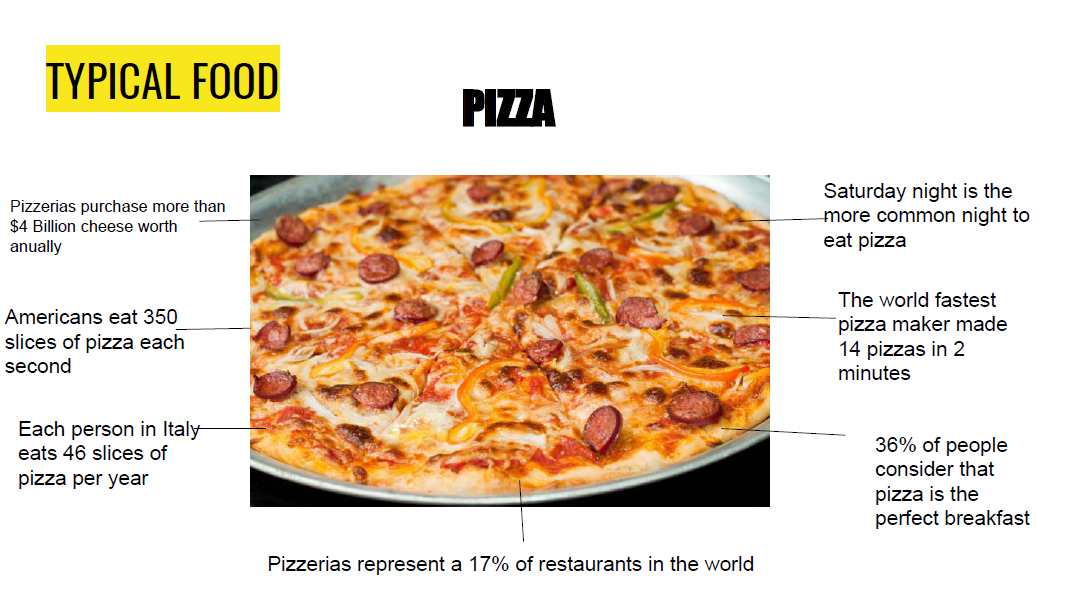
Every year our final year (2º Bachillerato) pupils go on a very special school trip to Italy, where they spend a week or so seeing the sights and learning about the culture, architecture, art and history of this fascinating country. 
On returning, the pupils created illustrated documents focussing on different aspects of Italy, such as the cuisine, art, or city guides. Here you can see a small selection of the attractive and interesting work they produced.


Thursday, 9 February 2017

European Youth Parliament España - Madrid Regional Session, 2017

Six pupils from 4º ESO and 1º Bachillerato have participated in our school's second appearance at the prestigious European Youth Parliament team-work and debating session in Madrid. 

Preparation for the event involved practice at the Debating Society (from which the participants were selected) and plenty of topic research by each participant into his or her selected area. For more information on the concept and format of the event, click here to read the article on this blog about our EYPE debut last year.


For more information about the session, click here to hear our school's participants talk about their experiences at the EYPE, while following this link will allow you to get a taste of the team-building, committee work and General Assembly in the official video!

Monday, 6 February 2017

2ºESO history presentations

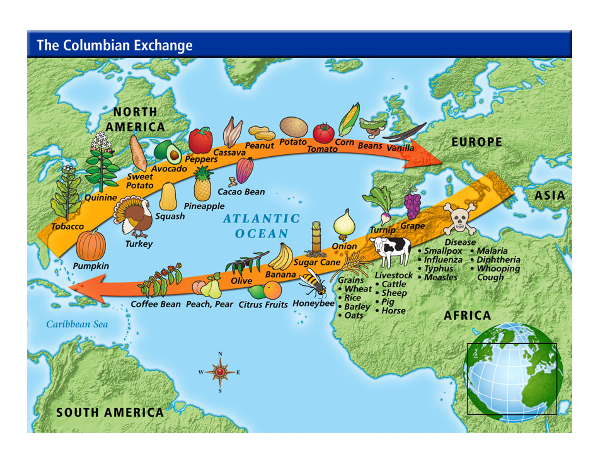
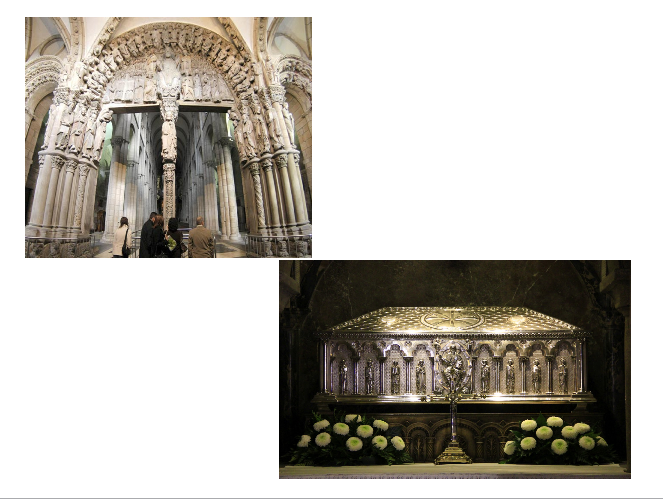
Here are some more history-themed presentations for you to enjoy, this time from 2ºESO. Click on the links to hear the presentations. The pictures follow the order of the discourse.

Ana & Alexandra - Columbus


Elena & Gabriela - the Pilgrimage of Santaiago, "St. James' Way"


Friday, 20 January 2017

1ºESO prehistory presentations

Check out these fascinating presentations about prehistory, done by our 1ºESO pupils. Click on the links to hear the presentations. The pictures follow the order of the discourse.

Daniela & Marta - paleolithic tools


Sofía, María & Clara - megaliths